What we do
Threads of Peace empowers communities through three major peacebuilding programs each designed to foster trust, inclusion, and long-term resilience.
Our Programs

Our Key Projects
Works with private and public institutions, internal and local non-profit organizations, community members, and volunteer groups.
2
Social Change Through Sport Project
Works with private and public institutions, internal and local non-profit organizations, community members, and volunteer groups.
3
Media for Social Peace Project
Works with private and public institutions, internal and local non-profit organizations, community members, and volunteer groups.
Peace Plan Project
A transformative journey that empowers diverse communities to build trust, reduce tensions, and create inclusive public spaces rooted in collaboration and empathy.
Phase I
Social Peace Process – Level I
Building foundations for community peacebuilding through workshops, dialogue, and initiative development
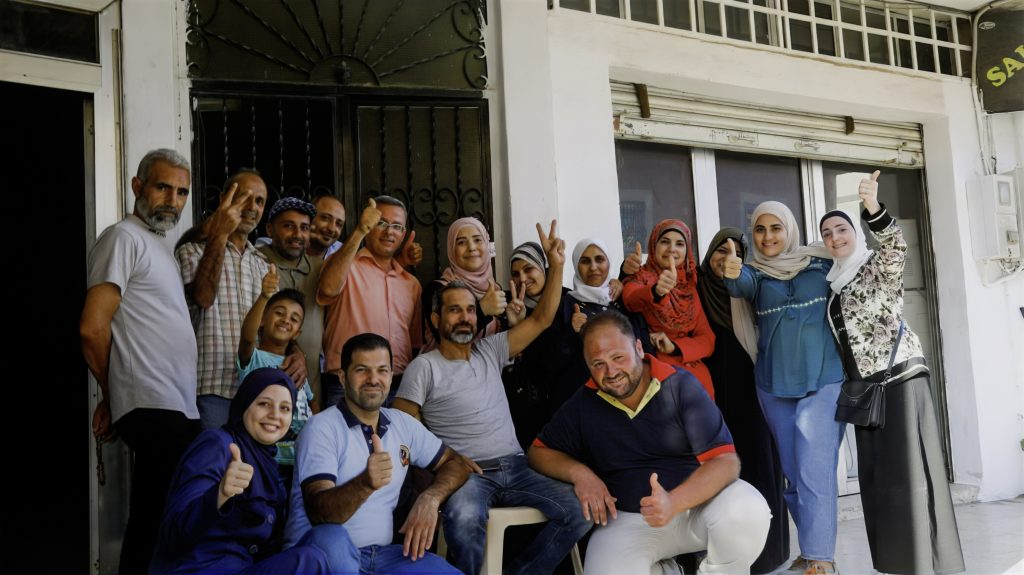
Outreach & Local Partnerships
Through a localized outreach approach, Threads of Peace partners with NGOs, municipalities, and community initiatives to ensure trusted access to communities. These partnerships, formalized via MoUs, help mobilize participants and co-support the delivery of peacebuilding activities.
1Step 1: Social Peace Workshop Level I (SPW1)
Participants engage in personal and group reflections on peace and conflict, conducting context and conflict analysis as well own resources mapping while also exploring their roles within their communities. By the end, each person creates a Personal Peace Plan and collectively envisions possible community-based initiatives that addresses a specific needs using their own skills/resources.
2Step 2: Dialogue Sessions (DIA)
Participants enhance their dialogue skills by engaging in open, reflective conversations that encourage empathy, value-sharing, and self-awareness. These sessions strengthen mutual understanding, break sterotypes, active listening, and respect across differences.
3Step 3: Initiative Building Activities Level I (IBA1)
Participants receive tools and support to design their own community-based initiatives, focusing on bridging divides and addressing local needs. The session covers initiative planning and management, team-building, and concept note and budget development.
4Step 4: Conflict Sensitivity Training (CSTI)
This step introduces participants to conflict-sensitive practices and Do No Harm approach, helping them understand how their actions influence local dynamics. They unfold connectors and dividers and integrate actionable conflict sensitivity measures into their planned initiatives.
5Step 5: Mentoring & Preparation
Threads of Peace provides continuous technical support to help groups finalize their project plans and budgets. This includes hands-on mentoring during implementation, supported by a Peace Fund to ensure sustainability.
6Step 6: Community-led Initiatives I – Social Stability Events
Participants implement their initiatives—it could be ranging from sports, art/enternaiment, environmental/agriculture, health, to a multidimensional themes with economic empowerment opportunities —designed to foster inclusion, cohesion, empowerments, address community needs, and reduce social tensions. Each group delivers at least 12 events/activity to secondary participants, engaging a broad spectrum of community members.
7Step 7: Closure & Evaluation
Participants gather to share their outcomes, reflect on lessons learned, and suggest future improvements. This closure informs the decision on advancing successful groups to the next level.
8Step 8: Family Network
An annual gathering brings together activists and groups from across Lebanon to share stories, connect, and reflect on their multidimensional peacebuilding community-led initiatives. It strengthens social ties and promotes collective learning for future action.
Phase II
Social Peace Process – Level II
Advanced peacebuilding with deeper skills development and scaled community impact
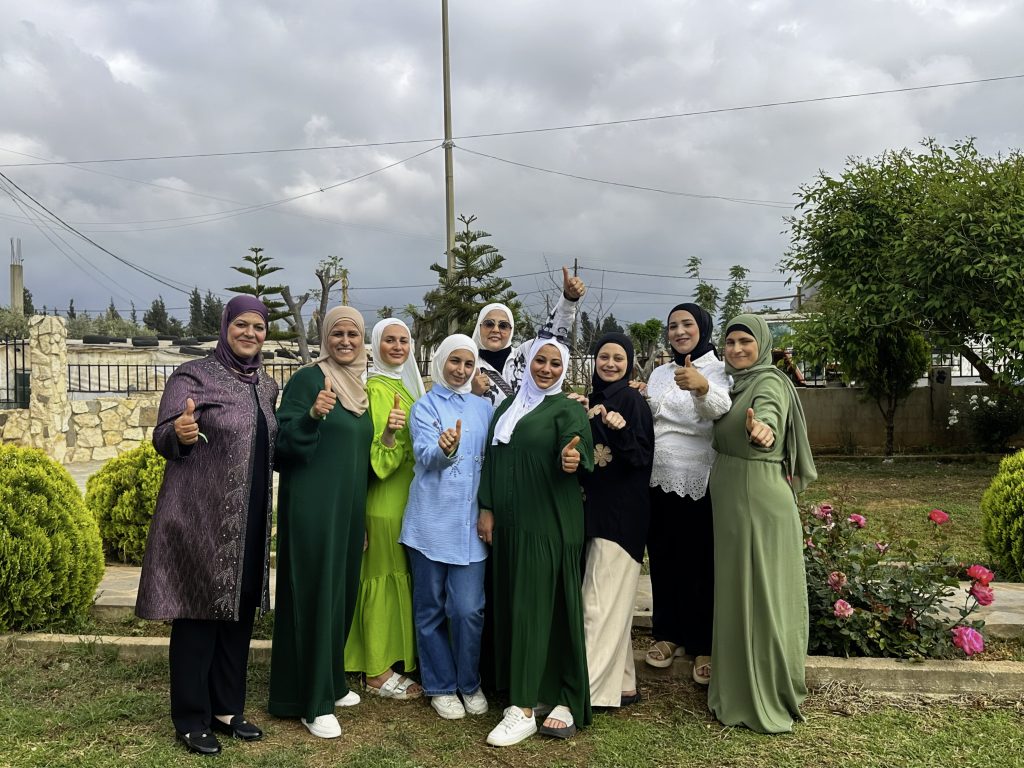
Transition to Level II
Based on commitment and impact, select groups from Level I advance to Level II. Groups may merge and reframe their initiatives for broader, community-level impact. Second level can also be given to new groups – depending on the background of participants involvement in social responsibilities.
1Step 1: Social Peace Workshop Level II (SPW2)
In this advanced workshop, participants explore deeper themes like types of violence and leadership skills. They revisit and scale up their initiatives or responsibilities, building toward a stronger community peace plan.
2Step 2: Nonviolent Communication Training (NVC)
Participants deepen their communication skills using NVC principles to foster empathy, understand needs, and manage to mitigate real-life conflict constructively.
3Step 3: Initiative Building Activities Level II (IBA2)
Participants adapt their earlier initiatives into higher-scale projects. They refine concept notes and strengthen team dynamics to increase impact and reach.
4Step 4: Technical Skills Training
Customized training sessions are offered based on the initiatives’ specific needs—covering areas could be such as entrepreneurship, finance, health, agriculture, or media, etc…. Experts in the field needed facilitate these trainings to enhance project outcomes.
5Step 5: Mentoring & Community Center Preparation
Mentoring continues through the design and execution of advanced initiatives. Groups operating in areas without a center are guided to establish one; others integrate with existing community centers.
6Step 6: Community-led Initiatives II – Social Stability Events
Initiatives at this stage build on prior successes and address broader community issues with enhanced technical and financial support. Events are designed to foster resilience, cooperation, and long-term sustainability.
7Step 7: Closure & Evaluation
Activists reflect on their progress, challenges, and achievements. This final evaluation helps shape future strategies and determines readiness for deeper engagement or institutional roles.
8Step 8: Family Network
An annual gathering brings together activists and groups from across Lebanon to share stories, connect, and reflect on their multidimensional peacebuilding community-led initiatives. It strengthens social ties and promotes collective learning for future action.
Phase III
Establishment Community Center
Permanent infrastructure for sustainable peacebuilding impact and community ownership.
The Community Hubs/Centers for Peace & Social Cohesion are public spaces owned and operated by the community, built on the foundation of Threads of Peace’s advanced peacebuilding processes. These centers act as inclusive platforms where diverse community members engage in social responsibility, dialogue, and development activities—addressing both urgent and long-term local needs in a cross-sectoral and sustainable way
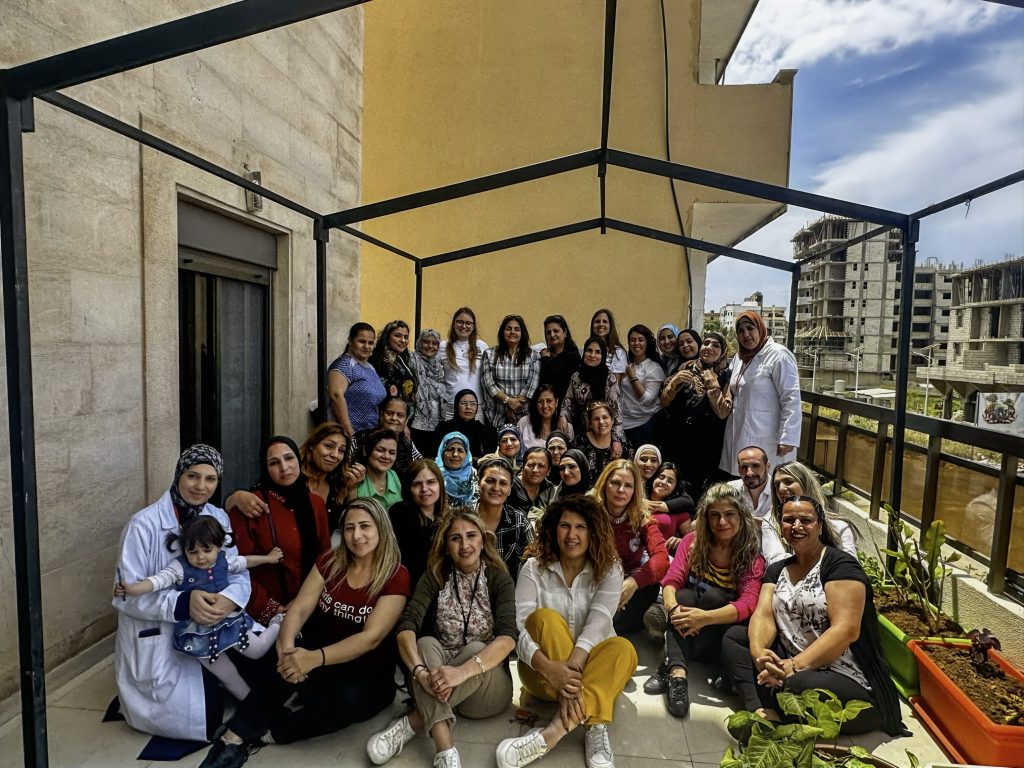
Each center is a culmination of years of peacebuilding work, where trained activists and multidimensional initiative groups evolve into community leaders, working together to build resilient, safe, and vibrant local centers in a very localized area.
Phase Objectives
Establishment Community Center
Empower local groups to lead and manage their own public space rooted in peacebuilding values.
Establishment Community Center
Provide inclusive, needs-based services and activities spanning education, livelihood, health, protection, basic needs services, gender equity, etc.. (depending on the groups main initiatives and work)
Establishment Community Center
Create permanent infrastructure to ensure the long-term sustainability and growth of local peace initiatives.
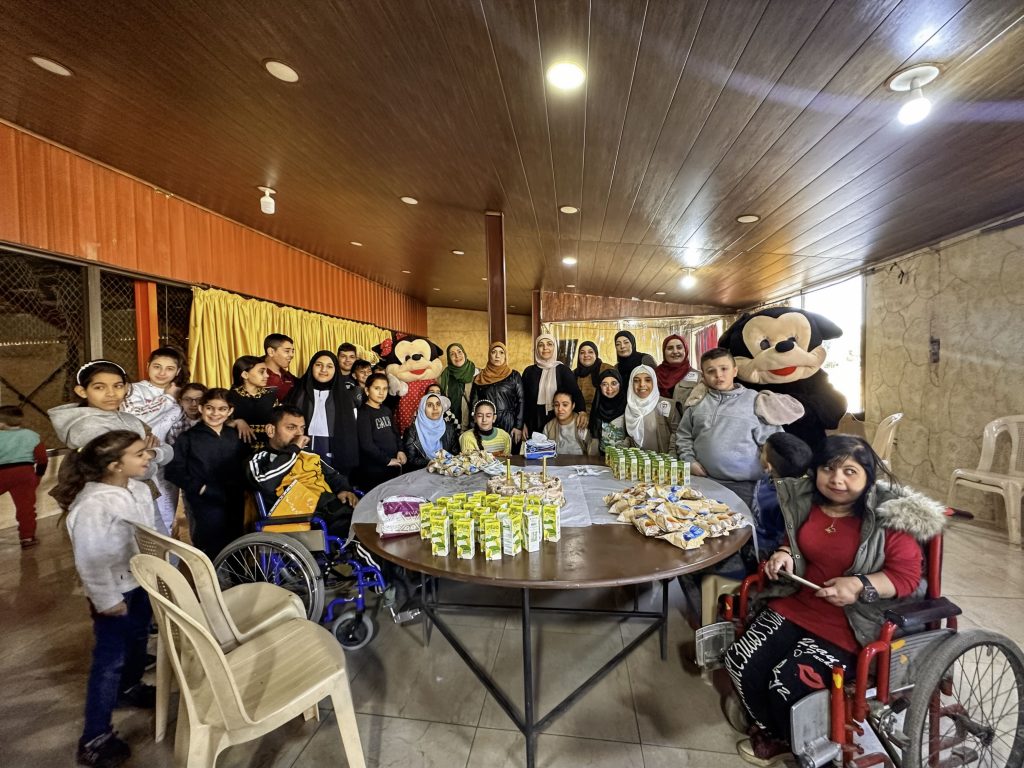
What Happens Inside a Community Hub?
Each Community Center is a living platform that hosts a variety of community-led activities, including:
- • Peacebuilding & Dialogue Sessions (led by trained activists who have been enrolled within Threads of Peace Plan Project)
- • Skills Development Workshops (e.g., vocational training, digital literacy)
- • Initiative Ongoing activities that range from Livelihood Support Activities (e.g., kitchenettes, cooperatives, micro-enterprise hubs), Women Rights Activities, Health & Psychosocial Support (awareness campaigns, referral networks), Cultural & Recreational Events (children’s play events, women’s festivals, public celebrations), etc.
- • Volunteer & Civic Engagement Programs (e.g ongoing social responsibility to address area needs, clean-up days, education, policy forums)
These activities are tailored to local context and demand as well initiatives existence, ensuring relevance and active participation by all groups—women, youth, elderly, persons with disabilities, refugees, and host communities.
Phase IV
Under Construction - Piloting
Social Peace Process – Level I
Building foundations for community peacebuilding through workshops, dialogue, and initiative development
Outreach & Local Partnerships
Through a localized outreach approach, Threads of Peace partners with NGOs, municipalities, and community initiatives to ensure trusted access to communities. These partnerships, formalized via MoUs, help mobilize participants and co-support the delivery of peacebuilding activities.
1Step 1: Social Peace Workshop Level I (SPW1)
Participants engage in personal and group reflections on peace and conflict, conducting context and conflict analysis as well own resources mapping while also exploring their roles within their communities. By the end, each person creates a Personal Peace Plan and collectively envisions possible community-based initiatives that addresses a specific needs using their own skills/resources.
2Step 2: Dialogue Sessions (DIA)
Participants enhance their dialogue skills by engaging in open, reflective conversations that encourage empathy, value-sharing, and self-awareness. These sessions strengthen mutual understanding, break sterotypes, active listening, and respect across differences.
3Step 3: Initiative Building Activities Level I (IBA1)
Participants receive tools and support to design their own community-based initiatives, focusing on bridging divides and addressing local needs. The session covers initiative planning and management, team-building, and concept note and budget development.
4Step 4: Conflict Sensitivity Training (CSTI)
This step introduces participants to conflict-sensitive practices and Do No Harm approach, helping them understand how their actions influence local dynamics. They unfold connectors and dividers and integrate actionable conflict sensitivity measures into their planned initiatives.
5Step 5: Mentoring & Preparation
Threads of Peace provides continuous technical support to help groups finalize their project plans and budgets. This includes hands-on mentoring during implementation, supported by a Peace Fund to ensure sustainability.
6Step 6: Community-led Initiatives I – Social Stability Events
Participants implement their initiatives—it could be ranging from sports, art/enternaiment, environmental/agriculture, health, to a multidimensional themes with economic empowerment opportunities —designed to foster inclusion, cohesion, empowerments, address community needs, and reduce social tensions. Each group delivers at least 12 events/activity to secondary participants, engaging a broad spectrum of community members.
7Step 7: Closure & Evaluation
Participants gather to share their outcomes, reflect on lessons learned, and suggest future improvements. This closure informs the decision on advancing successful groups to the next level.
8Step 8: Family Network
An annual gathering brings together activists and groups from across Lebanon to share stories, connect, and reflect on their multidimensional peacebuilding community-led initiatives. It strengthens social ties and promotes collective learning for future action.
Social Peace Process – Level II
Advanced peacebuilding with deeper skills development and scaled community impact
Transition to Level II
Based on commitment and impact, select groups from Level I advance to Level II. Groups may merge and reframe their initiatives for broader, community-level impact. Second level can also be given to new groups – depending on the background of participants involvement in social responsibilities.
1Step 1: Social Peace Workshop Level II (SPW2)
In this advanced workshop, participants explore deeper themes like types of violence and leadership skills. They revisit and scale up their initiatives or responsibilities, building toward a stronger community peace plan.
2Step 2: Nonviolent Communication Training (NVC)
Participants deepen their communication skills using NVC principles to foster empathy, understand needs, and manage to mitigate real-life conflict constructively.
3Step 3: Initiative Building Activities Level II (IBA2)
Participants adapt their earlier initiatives into higher-scale projects. They refine concept notes and strengthen team dynamics to increase impact and reach.
4Step 4: Technical Skills Training
Customized training sessions are offered based on the initiatives’ specific needs—covering areas could be such as entrepreneurship, finance, health, agriculture, or media, etc…. Experts in the field needed facilitate these trainings to enhance project outcomes.
5Step 5: Mentoring & Community Center Preparation
Mentoring continues through the design and execution of advanced initiatives. Groups operating in areas without a center are guided to establish one; others integrate with existing community centers.
6Step 6: Community-led Initiatives II – Social Stability Events
Initiatives at this stage build on prior successes and address broader community issues with enhanced technical and financial support. Events are designed to foster resilience, cooperation, and long-term sustainability.
7Step 7: Closure & Evaluation
Activists reflect on their progress, challenges, and achievements. This final evaluation helps shape future strategies and determines readiness for deeper engagement or institutional roles.
8Step 8: Family Network
An annual gathering brings together activists and groups from across Lebanon to share stories, connect, and reflect on their multidimensional peacebuilding community-led initiatives. It strengthens social ties and promotes collective learning for future action.
Establishment Community Center
Permanent infrastructure for sustainable peacebuilding impact and community ownership.
The Community Hubs/Centers for Peace & Social Cohesion are public spaces owned and operated by the community, built on the foundation of Threads of Peace’s advanced peacebuilding processes. These centers act as inclusive platforms where diverse community members engage in social responsibility, dialogue, and development activities—addressing both urgent and long-term local needs in a cross-sectoral and sustainable way
Each center is a culmination of years of peacebuilding work, where trained activists and multidimensional initiative groups evolve into community leaders, working together to build resilient, safe, and vibrant local centers in a very localized area.
Phase Objectives
Establishment Community Center
Empower local groups to lead and manage their own public space rooted in peacebuilding values.
Establishment Community Center
Provide inclusive, needs-based services and activities spanning education, livelihood, health, protection, basic needs services, gender equity, etc.. (depending on the groups main initiatives and work)
Establishment Community Center
Create permanent infrastructure to ensure the long-term sustainability and growth of local peace initiatives.
What Happens Inside a Community Hub?
Each Community Center is a living platform that hosts a variety of community-led activities, including:
- • Peacebuilding & Dialogue Sessions (led by trained activists who have been enrolled within Threads of Peace Plan Project)
- • Skills Development Workshops (e.g., vocational training, digital literacy)
- • Initiative Ongoing activities that range from Livelihood Support Activities (e.g., kitchenettes, cooperatives, micro-enterprise hubs), Women Rights Activities, Health & Psychosocial Support (awareness campaigns, referral networks), Cultural & Recreational Events (children’s play events, women’s festivals, public celebrations), etc.
- • Volunteer & Civic Engagement Programs (e.g ongoing social responsibility to address area needs, clean-up days, education, policy forums)
These activities are tailored to local context and demand as well initiatives existence, ensuring relevance and active participation by all groups—women, youth, elderly, persons with disabilities, refugees, and host communities.
Under Construction - Piloting
Peace Plan Project
A transformative journey that empowers diverse communities to build trust, reduce tensions, and create inclusive public spaces rooted in collaboration and empathy.
Overview
Project Overview
Recognizing the challenges faced by children and youth in Lebanon, especially in under-resourced areas like Central Bekaa, House Of Peace leads the Sports for All pilot, a three year initiative under the MED Evolution program in partnership with five regional organizations in Palestine, Egypt, and Jordan.
While different from Threads of Peace’s traditional Social Peace Process model, it aligns with Threads Of Peace’s commitment to multidimensional peacebuilding. This project not only fosters social cohesion and trust but also introduces the sports for all concept to community members, addresses children’s rights and psychosocial needs through inclusive and accessible sports.
Rooted in the belief that safe, shared play can transform attitudes, Sports for All uses public spaces to encourage children from diverse backgrounds to interact, cooperate, and develop key life skills like teamwork and empathy. By challenging biases through inclusive play, the program also aims to inspire families and communities to embrace diversity and collective well-being.
Each center is a culmination of years of peacebuilding work, where trained activists and multidimensional initiative groups evolve into community leaders, working together to build resilient, safe, and vibrant local centers in a very localized area.
Program Highlights
Interpersonal Impact
Fostering trust, empathy, and inclusion among children and community members from different nationalities, genders, and
socioeconomic backgrounds.
Community Impact
Activating public spaces as inclusive, child friendly environments
that model coexistence.
Sport Education
Engaging community members into becoming certified sports
for all animators.
Core Mission
- At its core, Social Change through Sports for All uses sport as a tool to build trust, promote inclusion ,embed new sports culture and reclaim public spaces, laying the groundwork for long term social cohesion and community resilience.
Recruitment
Recruitment and Inclusion
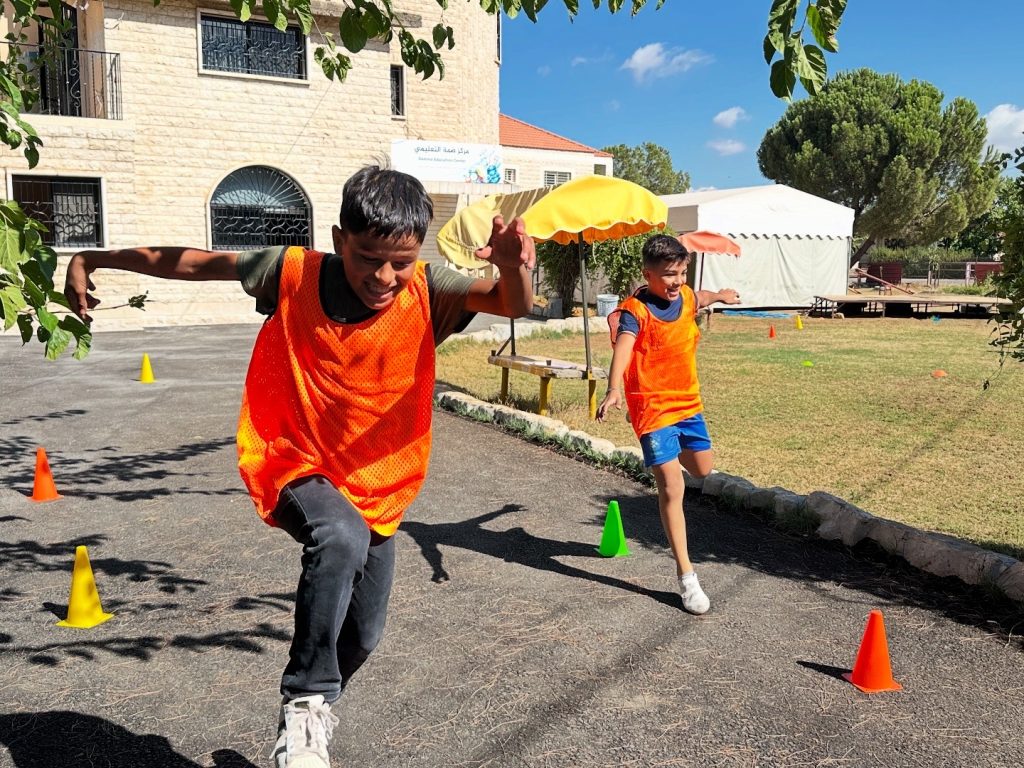
Open access program focusing on diversity and inclusion across Central Bekaa locations
Target Participants
- •Community Members interested in Sports to be turned into Sports for all animators
- •Open to all children aged 10-14
Special Emphasis
- •Gender balance across all activities
- •Participation of children with disabilities
- •Diverse backgrounds and nationalities
Training
Animator Selection and Training
Professional training program for local facilitators to ensure quality delivery
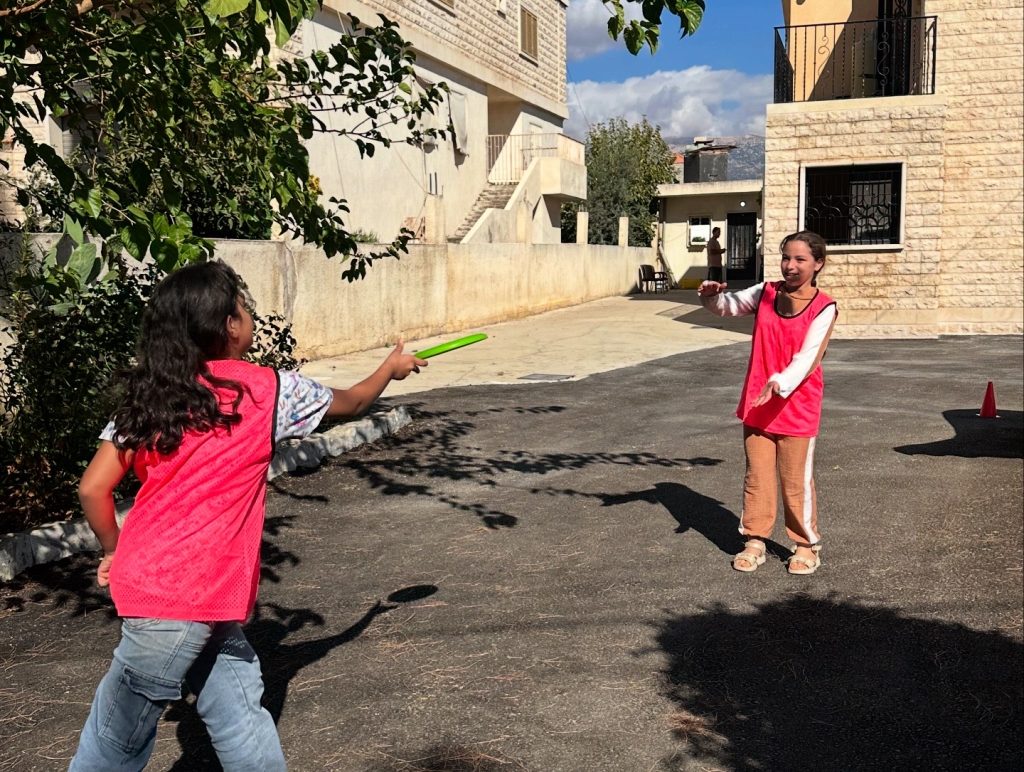
Local facilitators are selected and trained by FSGT educators to lead inclusive, safe, and engaging sessions. Teams of four animators ensure program resilience.
Training Structure
- •Teams of four animators per location
- •Professional training by FSGT educators
- •Safety protocols and child protection
- •Program resilience through team approach
Special Emphasis
- •Ongoing support from FSGT trainers
- •Access to shared library
- •Quality delivery assurance
- •Continuous skill development
Activity
Activity Cycles
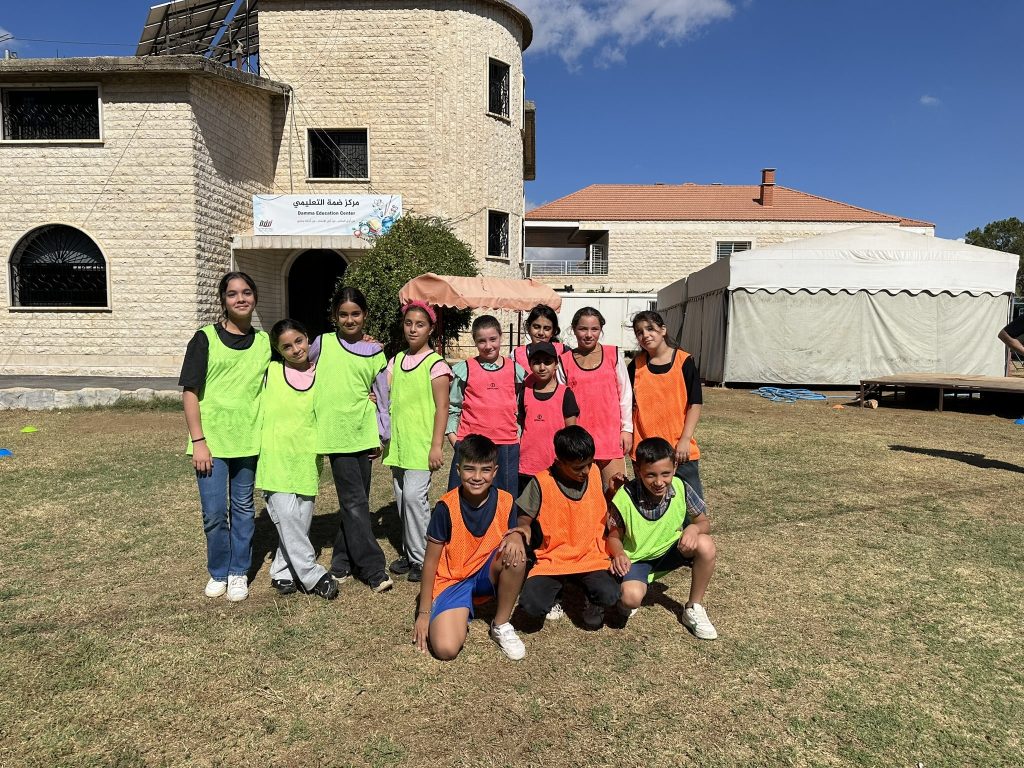
Eight two month sport cycles focusing on cooperation over competition
Eight two month sport cycle combine physical activity with group building exercises, focusing on cooperation over competition. Each cycle ends with a cycle competition session, and top teams qualify for regional
sports festivals, and teams engage in local festival championships.
Program Features
- •Two-month cycles per sport
- •Group-building exercises integrated
- •Cooperation over competition focus
- •Qualification for festivals
- •Skills development through play
Festivals
Sports Festivals
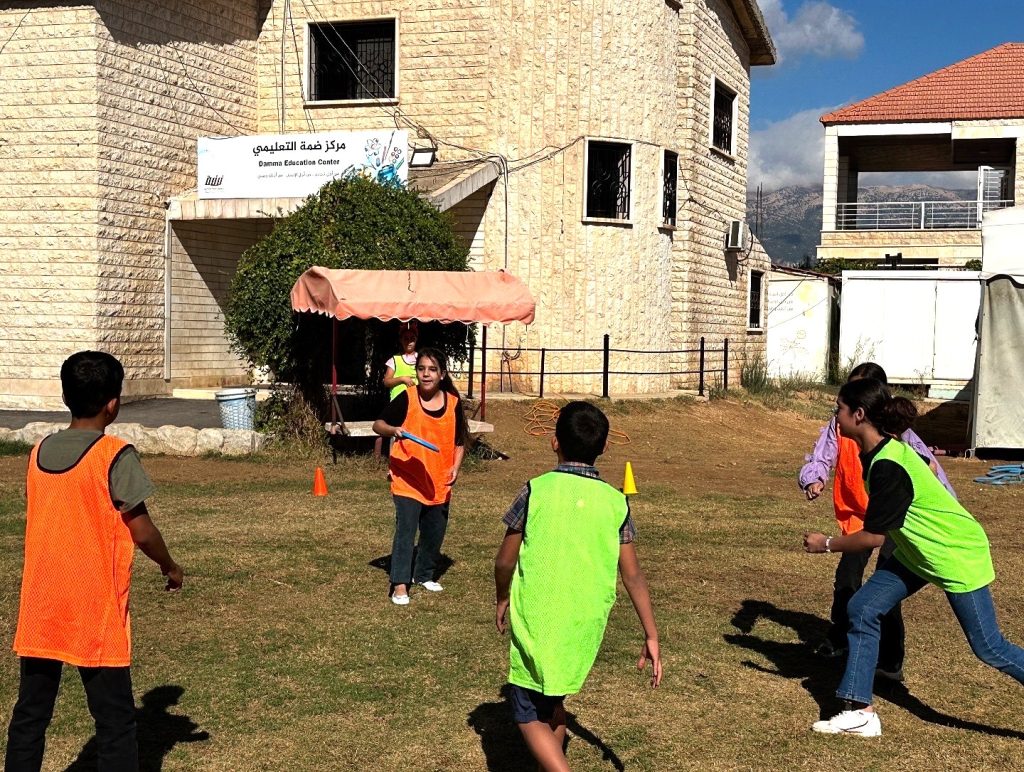
Community celebration events bringing together children, animators, and families.
Training Structure
- •Multi-community participation
- •Celebration of inclusion and achievements
- •Family and community engagement
- •Cultural exchange opportunities
Special Emphasis
- •Strengthening social bonds across communities
- •Creating positive community narratives
- •Inspiring continued engagement
- •Demonstrating power of sport for peace
- •Improve physical health
- •Enhancing Rights to Play
Project Overview
Recognizing the challenges faced by children and youth in Lebanon, especially in under-resourced areas like Central Bekaa, House Of Peace leads the Sports for All pilot, a three year initiative under the MED Evolution program in partnership with five regional organizations in Palestine, Egypt, and Jordan.
While different from Threads of Peace’s traditional Social Peace Process model, it aligns with Threads Of Peace’s commitment to multidimensional peacebuilding. This project not only fosters social cohesion and trust but also introduces the sports for all concept to community members, addresses children’s rights and psychosocial needs through inclusive and accessible sports.
Rooted in the belief that safe, shared play can transform attitudes, Sports for All uses public spaces to encourage children from diverse backgrounds to interact, cooperate, and develop key life skills like teamwork and empathy. By challenging biases through inclusive play, the program also aims to inspire families and communities to embrace diversity and collective well-being.
Each center is a culmination of years of peacebuilding work, where trained activists and multidimensional initiative groups evolve into community leaders, working together to build resilient, safe, and vibrant local centers in a very localized area.
Program Highlights
Interpersonal Impact
Fostering trust, empathy, and inclusion among children and community members from different nationalities, genders, and
socioeconomic backgrounds.
Community Impact
Activating public spaces as inclusive, child friendly environments
that model coexistence.
Sport Education
Engaging community members into becoming certified sports
for all animators.
Core Mission
- At its core, Social Change through Sports for All uses sport as a tool to build trust, promote inclusion ,embed new sports culture and reclaim public spaces, laying the groundwork for long term social cohesion and community resilience.
Recruitment and Inclusion
Open access program focusing on diversity and inclusion across Central Bekaa locations
Target Participants
- •Community Members interested in Sports to be turned into Sports for all animators
- •Open to all children aged 10-14
Special Emphasis
- •Gender balance across all activities
- •Participation of children with disabilities
- •Diverse backgrounds and nationalities
Animator Selection and Training
Professional training program for local facilitators to ensure quality delivery
Local facilitators are selected and trained by FSGT educators to lead inclusive, safe, and engaging sessions. Teams of four animators ensure program resilience.
Training Structure
- •Teams of four animators per location
- •Professional training by FSGT educators
- •Safety protocols and child protection
- •Program resilience through team approach
Special Emphasis
- •Ongoing support from FSGT trainers
- •Access to shared library
- •Quality delivery assurance
- •Continuous skill development
Activity Cycles
Eight two month sport cycles focusing on cooperation over competition
Eight two month sport cycle combine physical activity with group building exercises, focusing on cooperation over competition. Each cycle ends with a cycle competition session, and top teams qualify for regional
sports festivals, and teams engage in local festival championships.
Program Features
- •Two-month cycles per sport
- •Group-building exercises integrated
- •Cooperation over competition focus
- •Qualification for festivals
- •Skills development through play
Sports Festivals
Community celebration events bringing together children, animators, and families.
Training Structure
- •Multi-community participation
- •Celebration of inclusion and achievements
- •Family and community engagement
- •Cultural exchange opportunities
Special Emphasis
- •Strengthening social bonds across communities
- •Creating positive community narratives
- •Inspiring continued engagement
- •Demonstrating power of sport for peace
- •Improve physical health
- •Enhancing Rights to Play
Podcast for Social Peace
- A three year pilot project exploring podcasting as an innovative media intervention to support social peace and improve social stability.
About the Project
Project Leadership
Led by Secours Catholique Caritas France, this initiative is funded by the European Union as part of their commitment to fostering social cohesion and peace-building efforts.
Duration & Scope
This three year pilot project serves as an experimental platform, with each season offering unique opportunities to test innovative approaches to media driven peace initiatives.
We believe in the power of media to shape context and conflicts. Through podcasting, our first media intervention initiative, we support the vision and mission of
Threads of Peace, harnessing storytelling to create meaningful change in communities worldwide.

Special Emphasis
- Create conversations that bridge divides and foster understanding
Amplify Voices
- Elevate grassroots narratives and local peace efforts
Engage Audiences
- Connect wider audiences to the journey of social peace
Our Approach & Impact
As a pilot project, each season serves as a creative trial, experimenting with different formats, voices, and storytelling methods to capture real experiences and showcase local peace efforts.
Engage Audiences
- Testing various podcast formats to find the most effective ways to communicate stories of peace and reconciliation.
Diverse Voices
- Featuring perspectives from communities, peace builders, and those directly impacted by conflict to fight stereotype.
Real Experiences
- Documenting authentic stories and experiences from the ground, capturing the human side of peace-building initiatives.
Local Focus
- Highlighting grassroots peace efforts and community led initiatives that make a difference at the local level.
CS Training
CS Training Project
The CS Training Project by Threads of Peace empowers civil society actors, institutions, and organizations to embed actionable conflict sensitive practices into their interventions. Through targeted training and strategic support, the program helps ensure that projects and operations “Do No Harm” and build trust, inclusion, and resilience in their communities.
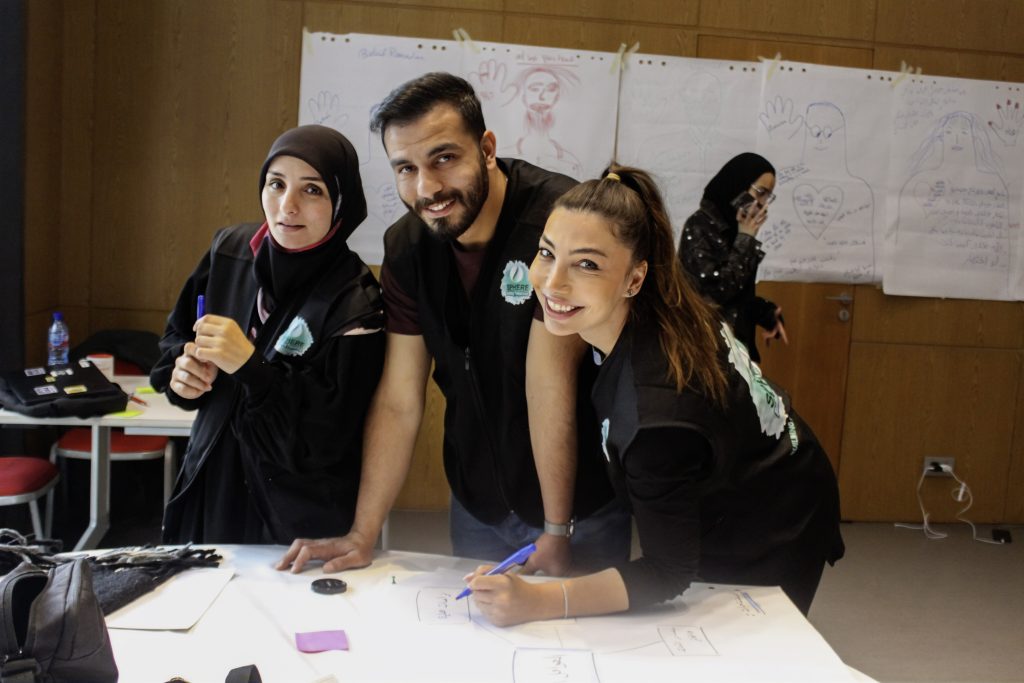
Track 1Volunteer Track – Conflict Sensitivity Level 0 (CST0)
This one-day foundational workshop introduces volunteers to conflict sensitivity and the Do No Harm approach. Participants engage in interactive activities and develop practical guidelines to apply in their community work. By the end of the session, volunteers learn to spot harmful behaviors and propose measures that promote positive community impact.
Track 2Staff Track – Conflict Sensitivity Level I (CST1)
Over three days, participants learn how to conduct conflict analysis, identify connectors and dividers, and apply conflict sensitivity tools to real-world projects. Using interactive tools like the “Conflict Cake,” they draft customized conflict-sensitive strategies relevant to their sector or role. The training promotes a shift in how participants approach planning, implementation, and community engagement.
Track 3Advanced Track – Conflict Sensitivity Level II (CST2)
This advanced workshop introduces System Thinking as a method to analyze indirect impacts of interventions. Participants learn to map out loops, visualize system interactions, and embed conflict sensitivity indicators into their strategies. The session helps institutions upgrade their operational models to reduce harm and increase long-term impact.
Track 4Master the Art of Conflict Resolution (Level A)
A practical and immersive 3-day training designed to strengthen conflict resolution skills in organizational and community settings. The program blends proven analysis tools with empathy-based communication techniques to help participants understand root causes, navigate power dynamics, and respond to tension constructively. Grounded in real-life scenarios, it equips teams and professionals with a mindset and toolkit for building trust and transforming conflict.
Conflict Sensitive Forum
Program Highlights
Fostering trust, empathy, and inclusion among children and community members from different nationalities, genders, and
socioeconomic backgrounds.
Forum Activities
- •Sector-Specific Working Sessions
- •Gap Analysis in Field Practice
- •Development of Guidelines
- •Dialogue Between Stakeholders

Impact Goals
- •Establish shared knowledge base
- •Support organizations in institutionalizing tools
- •Strengthen cross sector collaboration
- •Build culture of continuous learning
- •Improve physical health
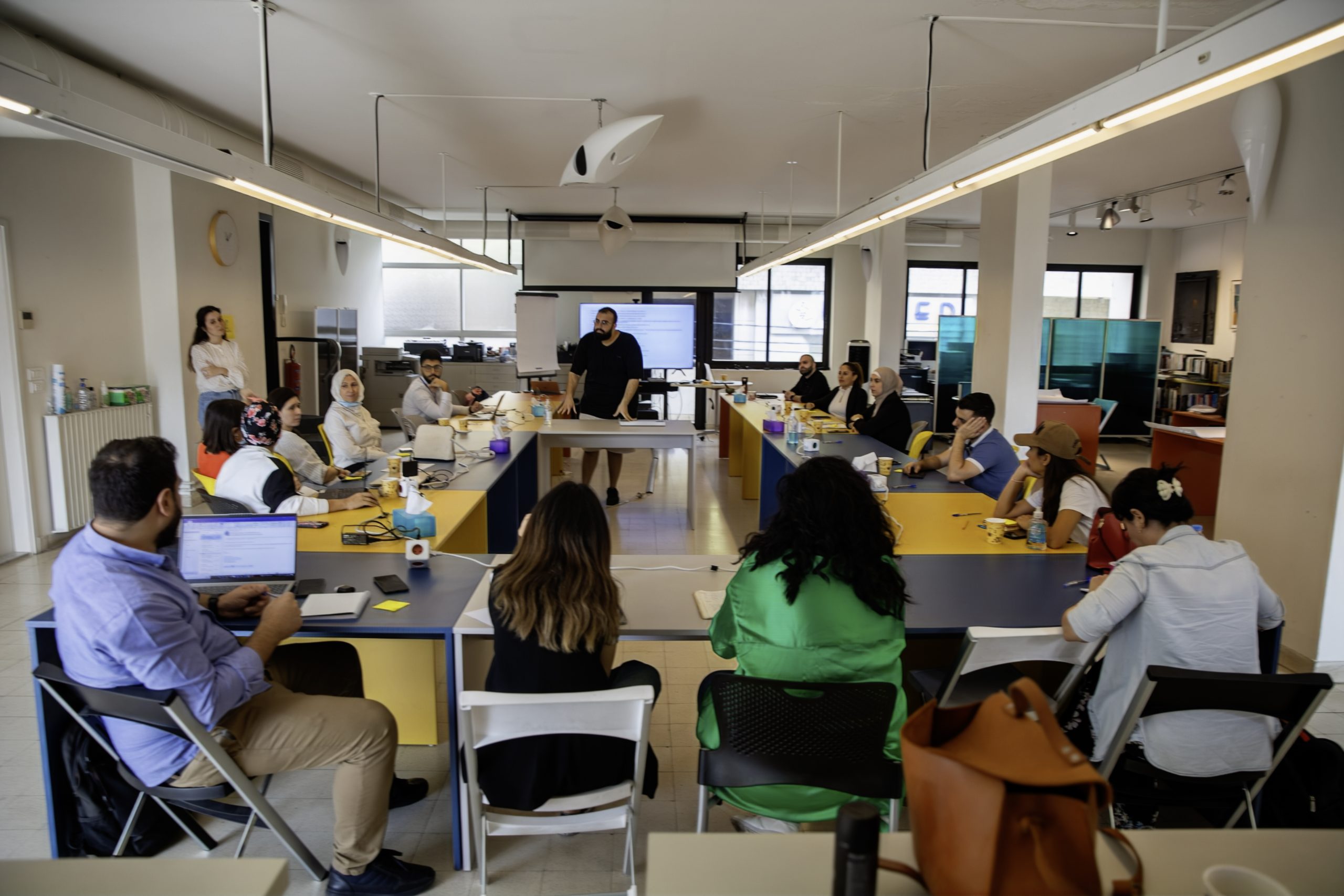
CS Training Project
The CS Training Project by Threads of Peace empowers civil society actors, institutions, and organizations to embed actionable conflict sensitive practices into their interventions. Through targeted training and strategic support, the program helps ensure that projects and operations “Do No Harm” and build trust, inclusion, and resilience in their communities.
Track 1Volunteer Track – Conflict Sensitivity Level 0 (CST0)
This one-day foundational workshop introduces volunteers to conflict sensitivity and the Do No Harm approach. Participants engage in interactive activities and develop practical guidelines to apply in their community work. By the end of the session, volunteers learn to spot harmful behaviors and propose measures that promote positive community impact.
Track 2Staff Track – Conflict Sensitivity Level I (CST1)
Over three days, participants learn how to conduct conflict analysis, identify connectors and dividers, and apply conflict sensitivity tools to real-world projects. Using interactive tools like the “Conflict Cake,” they draft customized conflict-sensitive strategies relevant to their sector or role. The training promotes a shift in how participants approach planning, implementation, and community engagement.
Track 3Advanced Track – Conflict Sensitivity Level II (CST2)
This advanced workshop introduces System Thinking as a method to analyze indirect impacts of interventions. Participants learn to map out loops, visualize system interactions, and embed conflict sensitivity indicators into their strategies. The session helps institutions upgrade their operational models to reduce harm and increase long-term impact.
Track 4Master the Art of Conflict Resolution (Level A)
A practical and immersive 3-day training designed to strengthen conflict resolution skills in organizational and community settings. The program blends proven analysis tools with empathy-based communication techniques to help participants understand root causes, navigate power dynamics, and respond to tension constructively. Grounded in real-life scenarios, it equips teams and professionals with a mindset and toolkit for building trust and transforming conflict.
Program Highlights
Fostering trust, empathy, and inclusion among children and community members from different nationalities, genders, and
socioeconomic backgrounds.
Forum Activities
- •Sector-Specific Working Sessions
- •Gap Analysis in Field Practice
- •Development of Guidelines
- •Dialogue Between Stakeholders
Impact Goals
- •Establish shared knowledge base
- •Support organizations in institutionalizing tools
- •Strengthen cross sector collaboration
- •Build culture of continuous learning
- •Improve physical health
Overview
Self Care Hub Project
The Self-Care Hub Project (2020–2022)
Psychosocial Support for Frontline Humanitarian Workers & Communities in Lebanon
The Self-Care Hub was a psychosocial support initiative created to strengthen the mental and emotional wellbeing of frontline humanitarian workers, NGO staff, and community members in Lebanon. Developed in response to the Beirut blast, COVID-19 pandemic, and the ongoing economic crisis, the Hub offered a structured path to recovery through trauma-informed care, creative expression, and organizational wellbeing support that directly support social stability.
Our Approach :
Grounded in evidence-based methods and culturally sensitive practices, the Self-Care Hub supported a healing journey that strengthened wellbeing and resilience among individuals and organizations. By promoting self-awareness and emotional balance, the initiative helped frontline actors respond effectively and sensitively in crisis settings. This holistic approach not only enhanced individual and organizational resilience but also contributed to peacebuilding and social stability, recognizing that healthier, more grounded teams are better equipped to reduce tensions and promote positive community dynamics.
Key Services :
The Self-Care Hub offered a range of therapeutic and organizational services, including:
Core Therapeutic Services :
- Trauma Relief Workshops: Group sessions using proven trauma-healing approaches.
- Psychological First Aid: Immediate emotional support and coping tools during crises.
- Creative Therapies: Art, music, and movement-based methods for emotional release and self-expression.
- Personal Peace Planning: Individual goal-setting and self-care strategy sessions.
Flexible Delivery Models :
- Comprehensive Programs: Guided healing journeys combining multiple services.
- Standalone Sessions: One-off workshops addressing specific psychosocial needs.
- Customized Interventions: Tailored programs for particular organizations or populations.
- Crisis Response: Rapid psychosocial support in the aftermath of emergencies.
Organizational & Policy Support :
Beyond individual care, the Hub worked closely with NGOs and institutions to embed self-care in organizational structures.
This included:
- Staff wellbeing and mental-health policies
- Workload management and secondary trauma prevention
- Leadership and staff training on self-care
Through this approach, the Hub promoted systemic change, ensuring that mental health and staff wellbeing became integral to humanitarian practice rather than add-on services.
Impact :
Between 2020 and 2022, the Self-Care Hub served frontline workers, volunteers, and crisis-affected communities across Lebanon. Partnering with local and international NGOs and volunteer groups, it built a foundation for a more compassionate and sustainable humanitarian sector.
The project demonstrated that investing in mental health and self-care directly enhances community social stability and organizational conflict sensitivity.
Looking Ahead :
We are now reconstructing and expanding the Self-Care Hub into a Well-Being Unit to serve a wider network of stakeholders (humanitarian workers, NGOs, public and private institutions, and civil-society actors) ensuring that wellbeing remains at the heart of social stability.
Under donation:
- Support Organizational Sustainability — Keep Threads of Peace growing and resilient.
- Support Beit El Salma (Women-Led Community Center) — Empower women peacebuilder sustaining their work in Tripoli.
Target Groups
Target Groups & Stakeholders
Serving diverse communities and organizations across Lebanon

Primary Beneficiaries
- •Frontline humanitarian workers
- •NGO staff and volunteers
- •Community members affected by crisist
- •Civil society actors
Partner Organizations
- •Private institutions
- •Public institutions
- •Local and international NGOs
- •Volunteer groups
Expanded Reach
- •Frontline humanitarian workers
- •NGO staff and volunteers
- •Community members affected by crisist
- •Civil society actors
Services
Under Construction - Piloting
Services & Therapeutic Approaches
Comprehensive healing journey through diverse therapeutic modalities
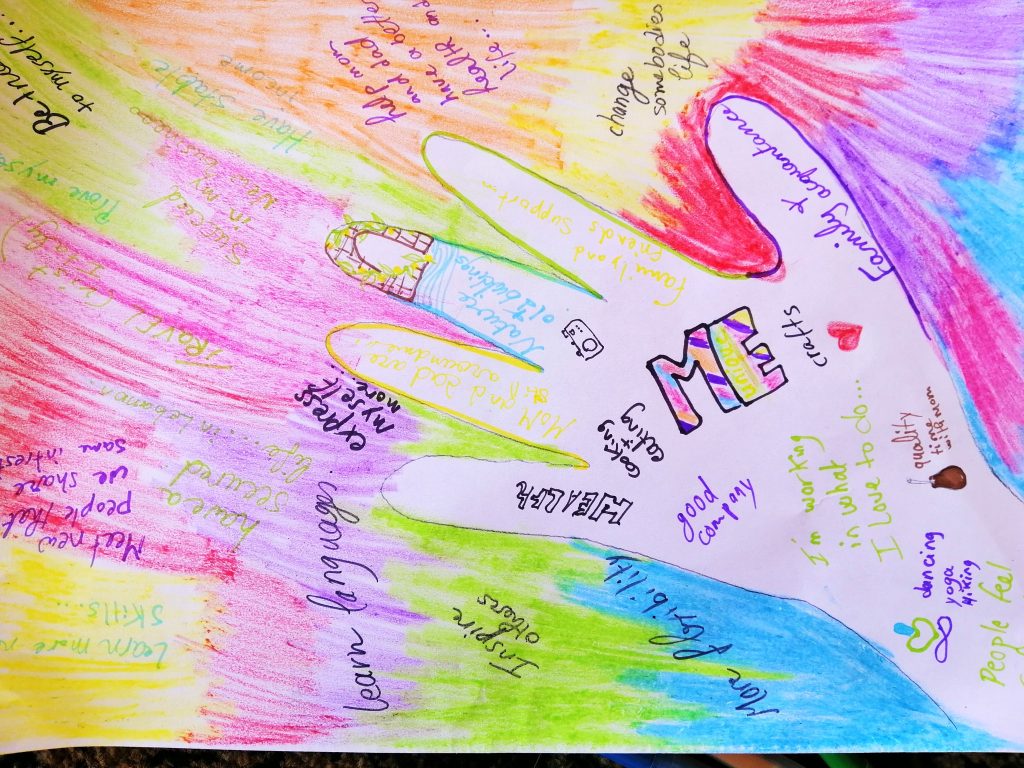
Core Therapeutic Services
Trauma Relief Workshops
Evidence based group sessions for processing and healing from
traumatic experiences
Psychological First Aid
Immediate support and coping strategies for acute stress and
crisis situations
Creative Therapies
Art, music, and movement-based healing approaches for
emotional expression
Personal Peace Planning
Individual goal setting and self care strategy development
Service Delivery Options
Comprehensive Program
- Full guided journey through the Self Care Hub with integrated services and follow up support.
Standalone Sessions
- Immediate support and coping strategies for acute stress and
crisis situations
Customized Programs
- Tailored interventions designed for specific populations or
organizational contexts.
Crisis Response
- Rapid deployment of psychosocial support following emergencies or critical incidents.
Flexible Service Model
- All sessions can be offered as standalone services upon request, providing organizations and communities with the flexibility to access specific support based on their immediate needs and capacity. This approach ensures that well-being support is accessible and adaptable to diverse contexts and requirements.
Policy Support
Under Construction - Piloting
Policy Development & Organizational Support
Creating sustainable selfcare policies and healthier work environments
The Self-Care Hub supports NGOs and organizations in developing comprehensive selfcare policies to promote healthier, more sustainable work environments. This systemic approach ensures that well-being becomes embedded in organizational culture and practices.
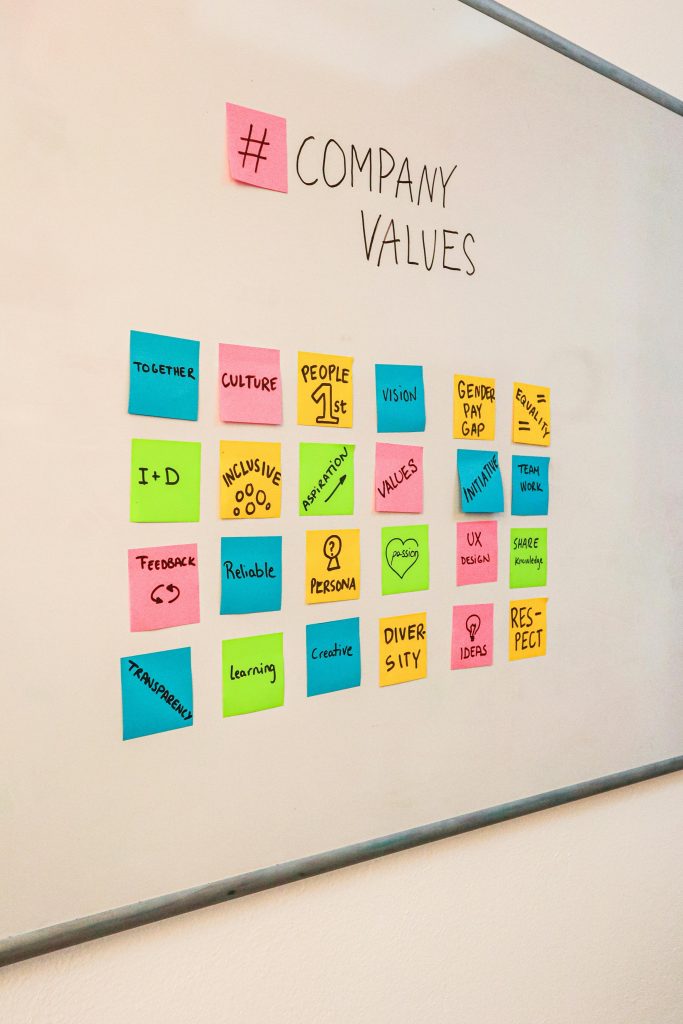
Core Therapeutic Services
- •Staff well being and mental health policies
- •Workload management guidelines
- •Support systems for high stress situations
- •Professional development in self care
- •Peer support network frameworks
- •Emergency response protocols for staff
- •Work life balance initiatives
- •Secondary trauma prevention measures
Implementation Support
Policy Design
- Collaborative development of context-specific policies and procedures
Staff Training
- Training programs to support policy implementation and adoption
Monitoring & Evaluation
- Systems for tracking policy effectiveness and staff well being indicators
Continuous Improvement
- Regular review and refinement of policies based on outcomes and feedback
Organizational Transformation
- The policy support component aims to create lasting organizational change that prioritizes staff well being as essential to effective humanitarian work. This includes:
- •Leadership commitment to staff wellbeing
- •Integration of self-care into job descriptions and performance reviews
- •Budget allocation for mental health and well-being initiatives
- •Regular assessment of organizational stress factors
Sustainable Impact
- By embedding self care policies at the organizational level, the Well Being Program creates sustainable systems that continue to support staff
well-being long after initial interventions. This systemic approach ensures that mental health support becomes a core organizational value rather than an add on service.
Self Care Hub Project
The Self-Care Hub Project (2020–2022)
Psychosocial Support for Frontline Humanitarian Workers & Communities in Lebanon
The Self-Care Hub was a psychosocial support initiative created to strengthen the mental and emotional wellbeing of frontline humanitarian workers, NGO staff, and community members in Lebanon. Developed in response to the Beirut blast, COVID-19 pandemic, and the ongoing economic crisis, the Hub offered a structured path to recovery through trauma-informed care, creative expression, and organizational wellbeing support that directly support social stability.
Our Approach :
Grounded in evidence-based methods and culturally sensitive practices, the Self-Care Hub supported a healing journey that strengthened wellbeing and resilience among individuals and organizations. By promoting self-awareness and emotional balance, the initiative helped frontline actors respond effectively and sensitively in crisis settings. This holistic approach not only enhanced individual and organizational resilience but also contributed to peacebuilding and social stability, recognizing that healthier, more grounded teams are better equipped to reduce tensions and promote positive community dynamics.
Key Services :
The Self-Care Hub offered a range of therapeutic and organizational services, including:
Core Therapeutic Services :
- Trauma Relief Workshops: Group sessions using proven trauma-healing approaches.
- Psychological First Aid: Immediate emotional support and coping tools during crises.
- Creative Therapies: Art, music, and movement-based methods for emotional release and self-expression.
- Personal Peace Planning: Individual goal-setting and self-care strategy sessions.
Flexible Delivery Models :
- Comprehensive Programs: Guided healing journeys combining multiple services.
- Standalone Sessions: One-off workshops addressing specific psychosocial needs.
- Customized Interventions: Tailored programs for particular organizations or populations.
- Crisis Response: Rapid psychosocial support in the aftermath of emergencies.
Organizational & Policy Support :
Beyond individual care, the Hub worked closely with NGOs and institutions to embed self-care in organizational structures.
This included:
- Staff wellbeing and mental-health policies
- Workload management and secondary trauma prevention
- Leadership and staff training on self-care
Through this approach, the Hub promoted systemic change, ensuring that mental health and staff wellbeing became integral to humanitarian practice rather than add-on services.
Impact :
Between 2020 and 2022, the Self-Care Hub served frontline workers, volunteers, and crisis-affected communities across Lebanon. Partnering with local and international NGOs and volunteer groups, it built a foundation for a more compassionate and sustainable humanitarian sector.
The project demonstrated that investing in mental health and self-care directly enhances community social stability and organizational conflict sensitivity.
Looking Ahead :
We are now reconstructing and expanding the Self-Care Hub into a Well-Being Unit to serve a wider network of stakeholders (humanitarian workers, NGOs, public and private institutions, and civil-society actors) ensuring that wellbeing remains at the heart of social stability.
Under donation:
- Support Organizational Sustainability — Keep Threads of Peace growing and resilient.
- Support Beit El Salma (Women-Led Community Center) — Empower women peacebuilder sustaining their work in Tripoli.
Target Groups & Stakeholders
Serving diverse communities and organizations across Lebanon
Primary Beneficiaries
- •Frontline humanitarian workers
- •NGO staff and volunteers
- •Community members affected by crisist
- •Civil society actors
Partner Organizations
- •Private institutions
- •Public institutions
- •Local and international NGOs
- •Volunteer groups
Expanded Reach
- •Frontline humanitarian workers
- •NGO staff and volunteers
- •Community members affected by crisist
- •Civil society actors
Under Construction - Piloting
Services & Therapeutic Approaches
Comprehensive healing journey through diverse therapeutic modalities
Core Therapeutic Services
Trauma Relief Workshops
Evidence based group sessions for processing and healing from
traumatic experiences
Psychological First Aid
Immediate support and coping strategies for acute stress and
crisis situations
Creative Therapies
Art, music, and movement-based healing approaches for
emotional expression
Personal Peace Planning
Individual goal setting and self care strategy development
Service Delivery Options
Comprehensive Program
- Full guided journey through the Self Care Hub with integrated services and follow up support.
Standalone Sessions
- Immediate support and coping strategies for acute stress and
crisis situations
Customized Programs
- Tailored interventions designed for specific populations or
organizational contexts.
Crisis Response
- Rapid deployment of psychosocial support following emergencies or critical incidents.
Flexible Service Model
- All sessions can be offered as standalone services upon request, providing organizations and communities with the flexibility to access specific support based on their immediate needs and capacity. This approach ensures that well-being support is accessible and adaptable to diverse contexts and requirements.
Under Construction - Piloting
Policy Development & Organizational Support
Creating sustainable selfcare policies and healthier work environments
The Self-Care Hub supports NGOs and organizations in developing comprehensive selfcare policies to promote healthier, more sustainable work environments. This systemic approach ensures that well-being becomes embedded in organizational culture and practices.
Core Therapeutic Services
- •Staff well being and mental health policies
- •Workload management guidelines
- •Support systems for high stress situations
- •Professional development in self care
- •Peer support network frameworks
- •Emergency response protocols for staff
- •Work life balance initiatives
- •Secondary trauma prevention measures
Implementation Support
Policy Design
- Collaborative development of context-specific policies and procedures
Staff Training
- Training programs to support policy implementation and adoption
Monitoring & Evaluation
- Systems for tracking policy effectiveness and staff well being indicators
Continuous Improvement
- Regular review and refinement of policies based on outcomes and feedback
Organizational Transformation
- The policy support component aims to create lasting organizational change that prioritizes staff well being as essential to effective humanitarian work. This includes:
- •Leadership commitment to staff wellbeing
- •Integration of self-care into job descriptions and performance reviews
- •Budget allocation for mental health and well-being initiatives
- •Regular assessment of organizational stress factors
Sustainable Impact
- By embedding self care policies at the organizational level, the Well Being Program creates sustainable systems that continue to support staff
well-being long after initial interventions. This systemic approach ensures that mental health support becomes a core organizational value rather than an add on service.